


Online learning has become one of the most flexible ways to gain new skills. Today, students can learn languages, coding, business, design, academic subjects, and many other topics without going to a physical classroom.
But many learners face one common question:
Should I take an online course or book live 1:1 lessons?
Both options can be useful. Online courses give structure, flexibility, and self-paced learning. Live 1:1 lessons give personal feedback, direct communication, and real-time support.
The best choice depends on what the student needs. In many cases, the strongest learning experience comes from combining both.
Online Courses: Flexible and Structured Learning
Online courses are a great choice for students who want to learn at their own pace. A course usually follows a planned structure, so learners can move step by step from basic ideas to more advanced topics.
This is one of the biggest advantages of online courses. Students do not need to wait for a lesson time. They can study whenever they are free, repeat difficult sections, pause videos, take notes, and return to the content later.
Online courses are especially helpful when students want to:
-
Build foundational knowledge
-
Learn at their own speed
-
Follow a clear curriculum
-
Review lessons multiple times
-
Study around work, school, or personal responsibilities
-
Access learning materials anytime
For example, a student who wants to learn digital marketing can start with a beginner course, watch the lessons during free time, complete exercises, and slowly build confidence.
This makes online courses practical and accessible.
However, online courses also have limits.
The Limitations of Online Courses
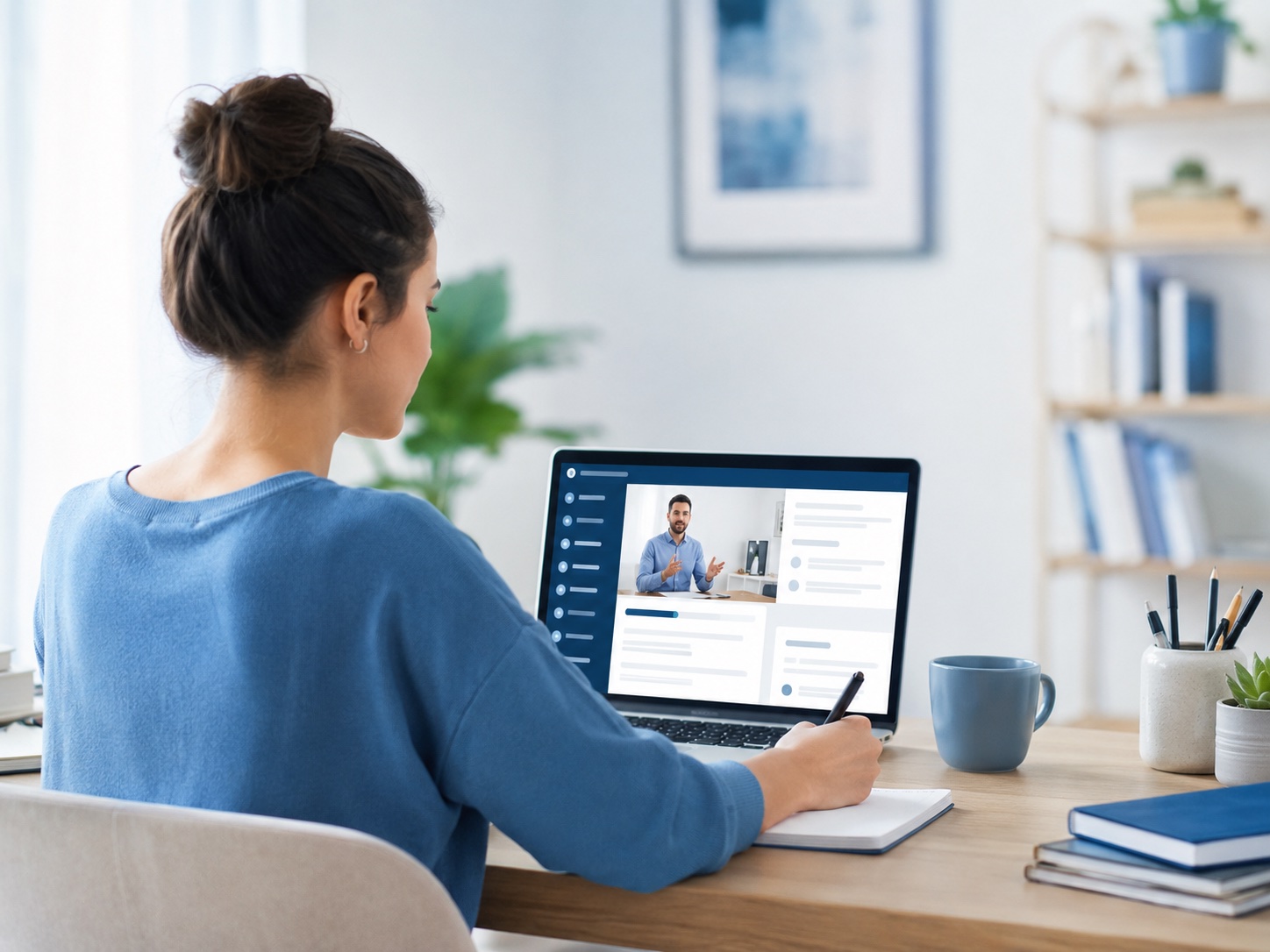
Online courses can give information, but they do not always give personal guidance.
A student may watch a lesson and understand most of it, but still have specific questions. They may complete an exercise but not know whether they did it correctly. They may feel stuck, but there may be no one available to explain the problem in a personal way.
This is one reason why many students start courses but do not finish them. They lose motivation, get confused, or feel alone in the learning process.
Common problems with online courses include:
-
Lack of personal feedback
-
Limited interaction
-
Low accountability
-
Difficulty asking specific questions
-
Motivation problems
-
Unclear progress after watching videos
For some learners, watching videos is not enough. They need someone to guide them, correct them, and help them understand their mistakes.
This is where live 1:1 lessons become valuable.

Live 1:1 Lessons: Personal Guidance and Real Feedback
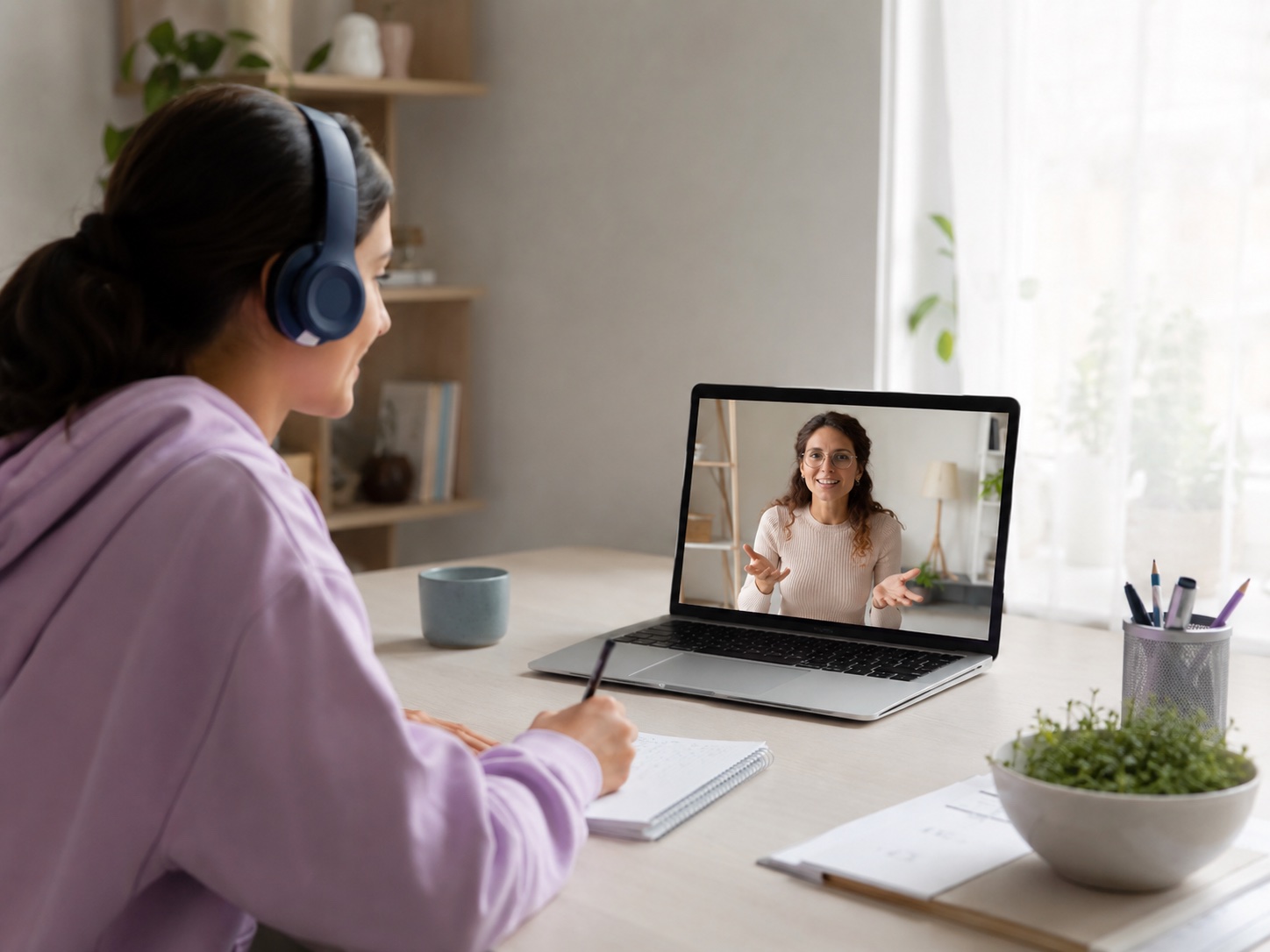
Live 1:1 lessons offer a more personal learning experience. Instead of only watching content, students interact directly with an instructor.
This is powerful because the instructor can focus on the student’s level, goals, weaknesses, and questions. The lesson becomes more flexible and personal.
Live 1:1 lessons are especially useful when students need:
-
Real-time correction
-
Speaking practice
-
Personal feedback
-
Motivation and accountability
-
Help with difficult topics
-
A customized learning plan
-
Confidence building
For language learners, live lessons can be especially important. A student can learn grammar from a course, but speaking practice requires interaction. Pronunciation, fluency, confidence, and natural communication improve faster when the learner practices with a real person.
The same is true for many other subjects. A coding student may understand a video lesson, but need help solving a specific error. A design student may need feedback on their work. A business student may need discussion, examples, and practical advice.
Live 1:1 lessons help students move from passive learning to active learning.
The Limitations of Live 1:1 Lessons
Live lessons are powerful, but they also have limitations.
They usually require scheduling. Students and instructors need to find a suitable time. Also, live lessons may cost more than self-paced courses because the instructor gives direct personal time.
Another limitation is that students may not always have enough background knowledge before the lesson. If they come to a live session without preparation, the instructor may need to spend time explaining basic concepts that could have been learned through a course first.
This means live lessons work best when students use them with clear goals.
For example:
-
“I watched the course, but I need help with this topic.”
-
“I want to practice speaking for 30 minutes.”
-
“I need feedback on my assignment.”
-
“I understand the basics, but I want to improve faster.”
When live lessons are used with purpose, they become much more effective.
Which One Is Better?
There is no single answer.
Online courses are better when students need structure, flexibility, and affordable access to learning materials.
Live 1:1 lessons are better when students need personal feedback, correction, practice, and motivation.
The real question is not:
“Which one is better?”
The better question is:
“What does the student need right now?”
A beginner may first need a course to understand the basics. Later, they may need live lessons to ask questions, practice, and improve. Another student may already know the basics and need direct guidance from an instructor.
Both learning methods have different strengths.
The Best Model: Course + Live Support
The strongest online learning model combines both online courses and live 1:1 lessons.
A course gives students the foundation. Live lessons help students apply, practice, and improve.
This creates a complete learning experience:
-
The course explains the topic.
-
The student studies at their own pace.
-
The student identifies questions or weak areas.
-
The instructor gives feedback in a live lesson.
-
The student continues learning with more confidence.
This model is especially effective because it gives students both freedom and support.
They are not limited to fixed classroom schedules, but they are also not left alone. They can learn independently and still receive human guidance when they need it.
How EdQly Supports Both Learning Styles
EdQly is designed for students who want flexible online learning without losing the value of real instructor support.
Some students prefer self-paced courses. Others prefer live 1:1 lessons. Many students benefit from both.
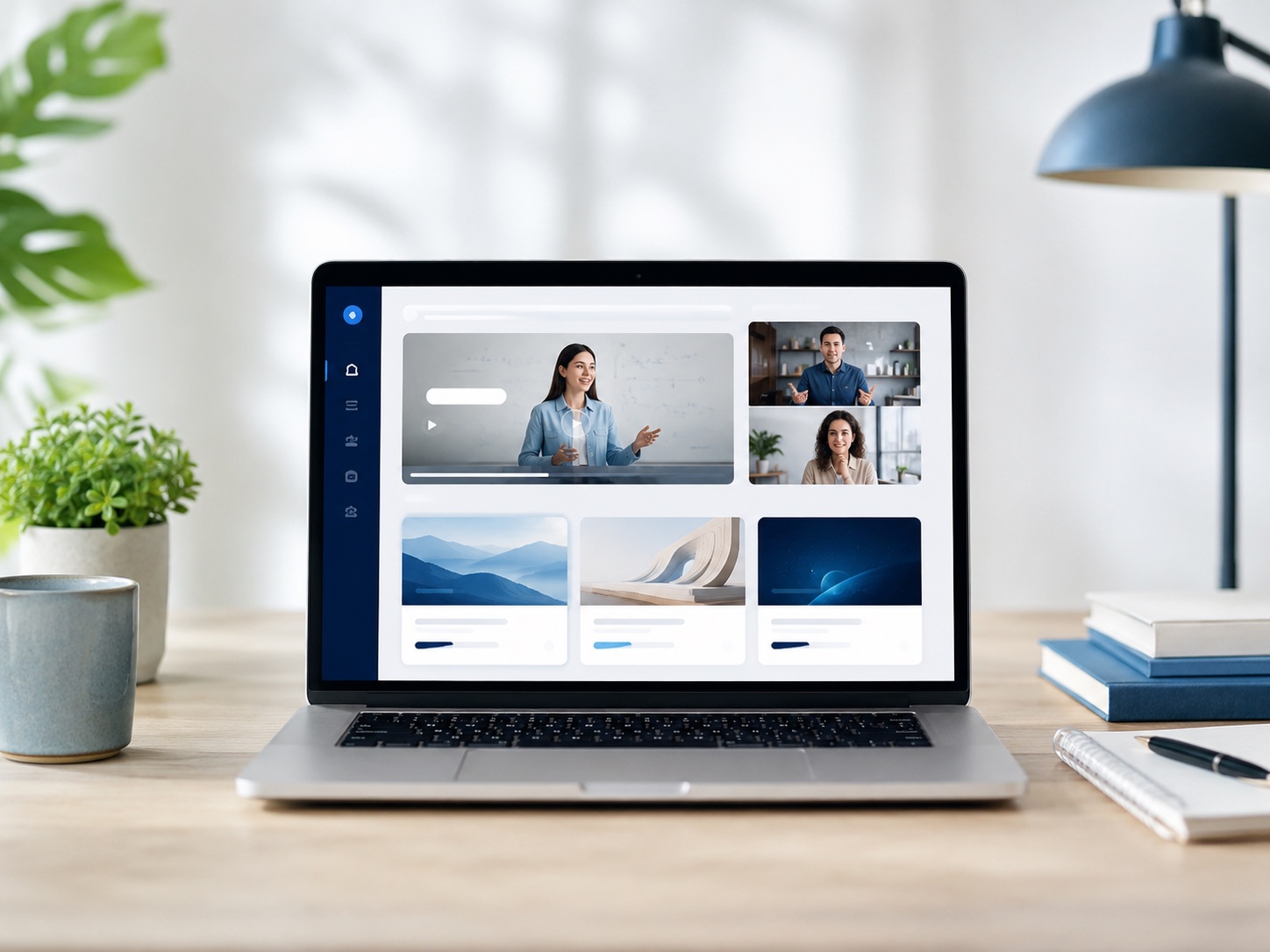
With EdQly, learners can use online courses to build knowledge and live lessons to receive personal guidance. This makes learning more practical, more flexible, and more human-centered.
A student can start with a course, understand the main topic, and then book a live lesson to ask questions, practice, or get feedback from an instructor.
This is useful because learning is not only about watching content. It is about understanding, applying, and improving.
EdQly supports a learning experience where students can grow at their own pace while still having access to real human guidance.
Conclusion
Online courses and live 1:1 lessons are both valuable. They simply serve different learning needs.
Online courses are excellent for structure, flexibility, and self-paced study. Live 1:1 lessons are excellent for feedback, correction, practice, and motivation.
For many students, the best choice is not one or the other.
The best choice is both.
A strong learning experience combines the freedom of online courses with the personal support of live instruction. This gives students a better chance to stay motivated, understand deeply, and reach their goals.
Online courses can help students start learning.
Live 1:1 lessons can help them keep improving.